

Introduction
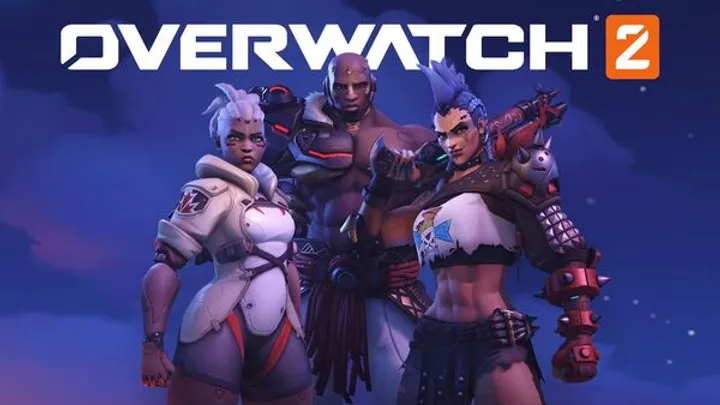
When Overwatch 2 launched, one of its most controversial and defining changes was the shift from a 6v6 format to 5v5. This meant the removal of one tank per team—a decision intended to streamline gameplay, reduce visual clutter, and increase individual impact. On paper, it sounded like a bold evolution of the original formula.
In practice, however, this change created a deep and ongoing issue known among players as the “Tank Problem.” With only one tank per team, the role became both more important and more fragile. Balance, counterplay, team dynamics, and even player psychology were all reshaped—often in ways that continue to challenge the game’s design. This article explores that issue in depth, tracing its development over time and analyzing its consequences.
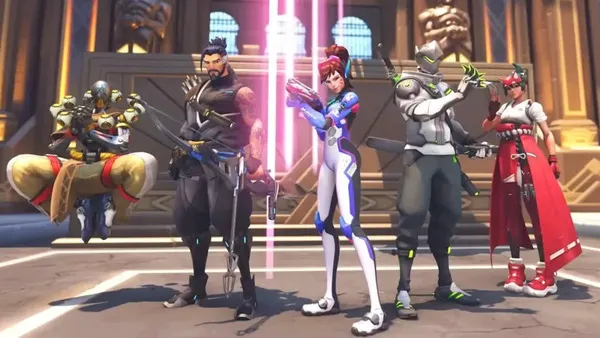
The Transition from 6v6 to 5v5
The original game relied on two tanks to anchor each team—typically a main tank and an off-tank. This allowed for layered defenses, coordinated engagements, and shared responsibility. Removing one tank fundamentally altered this structure.
In Overwatch 2, the solo tank must now handle all frontline duties: creating space, absorbing damage, initiating fights, and protecting teammates. This consolidation of responsibility dramatically increased the pressure on a single player.
- Loss of tank synergy (e.g., Reinhardt + Zarya)
- Increased burden on one player
- Simplified but more fragile team compositions
The Death of Tank Synergy
In the original format, tank duos created some of the most dynamic gameplay moments. Combinations allowed for strategic depth and creativity, enabling teams to adapt to different situations.
With only one tank, this synergy disappeared. Tanks are now isolated roles, forced to function independently without complementary support from another frontline partner.
- Layered defensive strategies lost
- Fewer combo-based engagements
- Reduced teamwork at the frontline
Counter-Swapping Becomes Oppressive
With only one tank on each team, counter-picking became far more impactful. If the enemy team selects a hero that counters your tank, the entire team suffers.
This leads to a constant cycle of swapping heroes. Instead of mastering a hero, tank players often feel forced to switch repeatedly just to remain effective.
- Reduced hero mastery
- Increased frustration
- More reactive than strategic gameplay
Pressure and Blame on Tank Players
In 5v5, the tank becomes the most visible and influential role. When a team loses, the tank is often blamed regardless of the real cause.
This creates a heavy psychological burden. Tank players must perform consistently while managing expectations and criticism from teammates.
- High stress and burnout
- Fear of making mistakes
- Lower willingness to play tank
Balance Instability Across Seasons
Balancing tanks in a 5v5 format is extremely difficult. If tanks are too strong, they dominate matches. If they are too weak, teams collapse quickly.
As a result, the game experiences frequent balance shifts. Each patch can drastically change which tanks are viable, creating instability.
- Constant meta changes
- Overpowered and underpowered cycles
- Frequent reworks
Impact on Support and DPS Roles
The tank problem affects every role. When the tank struggles, supports must work harder to keep them alive, and DPS players lose space to operate.
This creates a chain reaction where the entire team depends heavily on one player’s performance.
- Supports under pressure
- DPS limited in positioning
- Reduced team flexibility
Reduced Strategic Diversity
In 6v6, teams could experiment with different tank combinations to create unique strategies. In 5v5, fewer compositions are viable.
Certain tanks dominate the meta, leading to repetitive gameplay and less creativity in team setups.
- Fewer viable strategies
- Meta dominance by specific heroes
- Less experimentation
Gameplay Pace and Chaos
The removal of a tank increased the speed of the game. Fights are faster and more lethal, but also less controlled.
Without a second tank to stabilize engagements, battles can feel chaotic and unpredictable.
- Faster team fights
- Higher damage output
- Less structured gameplay
Community Feedback and Ongoing Debate
The shift to 5v5 remains one of the most debated changes in the game’s history. Some players enjoy the faster pace, while others miss the depth of 6v6.
The tank problem sits at the center of this debate, representing both the strengths and weaknesses of the new format.
- Divided player opinions
- Ongoing discussions
- Calls for adjustments or reversions
Lessons for Future Competitive Game Design
Overwatch 2 provides important lessons for game design. Simplifying a system can improve accessibility but may reduce depth.
Developers must balance clarity and complexity to create systems that feel both fair and engaging.
- Structural changes have lasting impact
- Balance must be consistent
- Player experience defines success
Conclusion
The tank problem in Overwatch 2 is not just a balance issue—it is a structural challenge rooted in the game’s core design. By removing one tank, the developers reshaped every aspect of gameplay, from strategy to player psychology.
While the 5v5 format offers benefits such as faster pacing and clearer visuals, it also introduces new complexities that continue to affect the game. Understanding this issue reveals how delicate competitive game balance truly is—and how even well-intentioned changes can create long-term challenges.