How to Play Gamble With Your Friend: Complete Beginner's Guide to Winning More Games
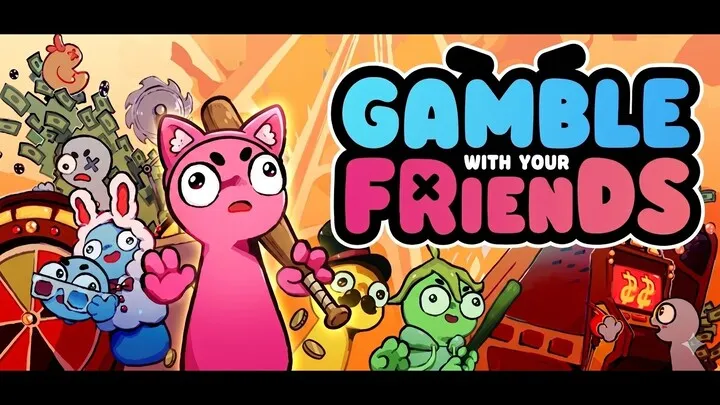
Understanding What Gamble With Your Friend Is
Before jumping into gameplay, it is important to understand what makes Gamble With Your Friend different from other multiplayer games. The game revolves around making decisions under uncertainty while competing or cooperating with friends.
Players often face situations where they must choose between safe options and risky opportunities. The excitement comes from balancing potential rewards against possible losses.
Learning the basic concept early helps new players avoid confusion and allows them to focus on developing strategies instead of simply reacting to events.
Setting Up Your First Game
Getting started is usually straightforward, but understanding the setup process can make your first experience much smoother.
Create or join a game session and make sure everyone understands the rules before starting. Communication among players often plays a significant role in how matches unfold.
New players should spend a few minutes exploring menus, settings, and available options before entering competitive sessions.
Key setup tips include
- Check game settings
- Understand available modes
- Learn interface controls
- Verify connection stability
- Invite friends to practice sessions

Learning the Core Gameplay Mechanics
The foundation of success lies in understanding the game's primary systems.
Most matches involve making choices that can either improve your position or increase your risk exposure. Every decision may affect future opportunities.
Pay attention to resource management, timing, and probability. These elements often determine whether a player succeeds or fails.
The more familiar you become with core mechanics, the easier it becomes to recognize favorable situations during gameplay.
Understanding Risk and Reward
One of the most important lessons in Gamble With Your Friend is learning how risk affects outcomes.
Many beginners immediately chase high rewards without considering potential consequences. While aggressive decisions can sometimes lead to huge wins, they can also result in major setbacks.
Successful players evaluate every opportunity carefully before committing.
Important factors to consider include
- Potential gains
- Possible losses
- Current game position
- Opponent behavior
- Remaining opportunities
Developing a balanced mindset often produces better long-term results than constantly taking extreme risks.
Choosing the Right Strategy Early Game
The beginning of a match often sets the tone for everything that follows.
Early decisions should focus on gathering information and building a stable position rather than making reckless moves.
Observe how your friends approach risk. Some players prefer conservative strategies while others constantly gamble for larger rewards.
Understanding player tendencies allows you to adapt more effectively as the game progresses.
Managing Resources Efficiently
Resource management separates experienced players from beginners.
Whether resources involve currency, points, opportunities, or other assets, preserving them at the right moments can dramatically improve your chances of success.
Avoid wasting valuable resources on low-value situations.
Good resource habits include
- Planning ahead
- Saving emergency reserves
- Avoiding emotional decisions
- Tracking spending patterns
- Prioritizing high-value opportunities
Consistent resource management often creates advantages that become noticeable later in the game.
Reading Your Friends and Predicting Decisions
Since Gamble With Your Friend involves real people, understanding player psychology becomes extremely valuable.
Pay attention to patterns in behavior. Some players become more aggressive after a win, while others become cautious following a loss.
Learning these tendencies can help you predict future actions and make better decisions.
Useful observations include
- Risk tolerance
- Decision speed
- Reaction to losses
- Bluffing habits
- Preferred strategies
Over time, accurate predictions become one of the strongest tools available.
Using Advanced Decision-Making Techniques
Once you understand the basics, you can begin applying advanced techniques.
Rather than focusing on individual outcomes, think in terms of long-term probability. Experienced players know that not every good decision produces immediate rewards.
Focus on making statistically favorable choices whenever possible.
Advanced approaches may include
- Probability analysis
- Opponent modeling
- Risk assessment
- Opportunity cost evaluation
- Strategic patience
These methods help reduce mistakes and improve consistency.
Common Mistakes New Players Should Avoid
Many beginners repeat the same errors during their first sessions.
Understanding these mistakes beforehand can accelerate improvement.
Common mistakes include
- Taking unnecessary risks
- Ignoring game information
- Chasing losses
- Following emotions
- Underestimating opponents
Avoiding even a few of these habits can significantly increase performance.
Remember that learning from mistakes is part of the improvement process.
How to Improve and Win More Consistently
Improvement requires practice, reflection, and adaptation.
After each session, review important decisions and identify areas for improvement. Consider what worked, what failed, and why.
Watching experienced players can also provide valuable insights into advanced strategies and decision-making processes.
Ways to improve include
- Playing regularly
- Studying game mechanics
- Reviewing past matches
- Learning from skilled players
- Experimenting with strategies
Consistency develops over time through experience and analysis.
Mastering Gamble With Your Friend for Long-Term Success
Long-term success comes from combining knowledge, discipline, adaptability, and experience.
Players who focus solely on short-term wins often struggle to maintain results. Those who develop a deeper understanding of probability, psychology, and resource management tend to perform better over extended periods.
Continue refining your strategies, learning from each match, and adapting to different opponents. Over time, these habits will help you become a stronger and more confident player.
Conclusion
Gamble With Your Friend offers an exciting blend of strategy, risk management, and social interaction. By understanding the game's mechanics, managing resources wisely, evaluating risk carefully, and learning how opponents think, players can significantly improve their chances of success. Whether you are playing casually with friends or aiming to become highly competitive, applying the techniques in this guide will help you make smarter decisions and enjoy the game more effectively.